

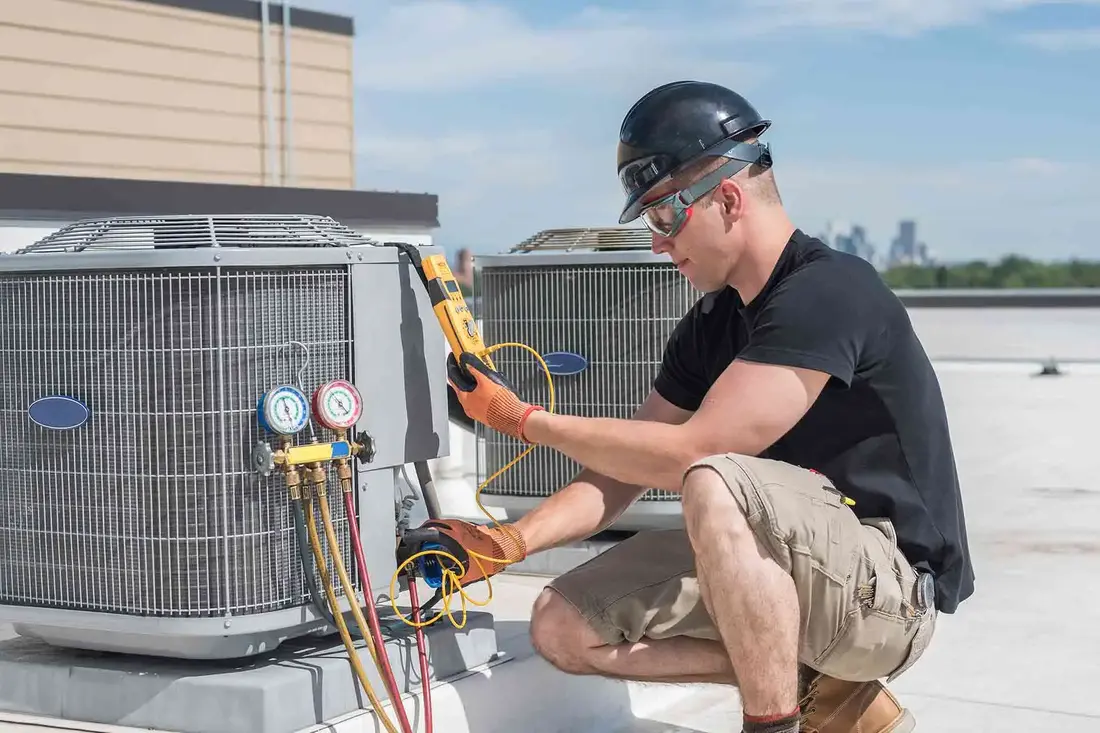
How to start a heating and air conditioning business is a question many skilled technicians and entrepreneurs ask when they want to turn technical expertise into a profitable company. The HVAC industry continues to grow as homes, offices, and commercial buildings depend on heating and cooling systems for comfort and efficiency. With rising demand for installation, maintenance, and repair services, this field offers strong long-term opportunities for business owners.
Starting an HVAC business is not just about technical knowledge. It also requires planning, licensing, financial preparation, marketing, and customer service skills. Many new business owners underestimate the business side and focus only on technical work, which can limit growth. A successful HVAC company combines technical excellence with strong operational management.
This guide explains everything step by step, from planning and setup to marketing and scaling your HVAC business effectively.
Table of Contents
ToggleUnderstanding the HVAC Industry and Business Potential
Before starting, it is important to understand how the HVAC industry works and why it is a strong business opportunity. Heating, ventilation, and air conditioning systems are essential in residential, commercial, and industrial spaces.
Demand comes from multiple areas:
- New construction projects requiring installation
- Replacement of old or inefficient systems
- Regular maintenance and servicing contracts
- Emergency repair services
- Energy efficiency upgrades
One of the biggest advantages of this industry is recurring demand. HVAC systems require regular servicing, which creates long-term customer relationships and steady income.
Another advantage is scalability. You can start as a small one-person operation and gradually expand into a team-based company offering full-service HVAC solutions.
However, competition is also strong. Success depends on quality service, reliability, and building trust with customers.
Skills, Training, and Licensing Requirements
Technical skills are the foundation of any HVAC business. Before launching, it is important to have proper training and certification.
Technical Training
You need to understand how heating and cooling systems work, including installation, repair, electrical components, refrigerants, and system diagnostics. Many professionals gain experience through vocational training programs or apprenticeships.
Certification and Licensing
Most regions require HVAC contractors to hold licenses. These may include:
- Trade certification
- Refrigerant handling certification
- Business operation license
- Safety compliance certifications
Licensing ensures legal compliance and builds trust with customers.
Business Skills
In addition to technical knowledge, you need basic business skills such as budgeting, pricing, customer management, and scheduling. Without these, even skilled technicians struggle to grow.
Continuous learning is also important because HVAC technology evolves rapidly with energy-efficient systems and smart controls.
Business Planning and Startup Setup
A solid business plan is essential when figuring out how to start a heating and air conditioning business. It acts as a roadmap for operations, growth, and financial stability.
Define Your Services
Start by deciding what services you will offer. Common HVAC services include:
- Installation of heating and cooling systems
- Repair and troubleshooting
- Preventive maintenance
- Energy efficiency upgrades
- Emergency services
You can start with a few services and expand later.
Estimate Startup Costs
Initial costs may include:
- Tools and equipment
- Service vehicle
- Licensing and insurance
- Marketing and website setup
- Initial inventory
Proper budgeting prevents financial stress in the early stages.
Choose a Business Structure
You may register as a sole proprietorship, partnership, or limited company depending on your goals and legal requirements.
Set Pricing Strategy
Pricing should cover labor, materials, overhead costs, and profit margin. Research local competitors to set competitive yet profitable rates.
A clear business plan helps avoid confusion and keeps operations organized from the beginning.
Tools, Equipment, and Service Setup
Having the right tools is essential for delivering professional HVAC services. Quality equipment improves efficiency, safety, and customer satisfaction.
Basic HVAC Tools
Some essential tools include:
- Manifold gauge set
- Refrigerant leak detector
- Vacuum pump
- Thermometers and multimeters
- Hand tools and power tools
Service Vehicle
A reliable vehicle is important for transporting tools and equipment. Many HVAC businesses customize vans or trucks for storage and mobility.
Spare Parts Inventory
Keeping common replacement parts in stock helps complete repairs quickly and improves customer satisfaction.
Software and Digital Tools
Modern HVAC businesses use software for scheduling, invoicing, and customer management. This improves efficiency and reduces manual errors.
Investing in quality tools from the start improves service quality and reduces long-term maintenance costs.
Marketing and Getting Your First Customers
Even the best HVAC skills will not generate income without customers. Marketing is a key part of starting a successful business.
Build a Professional Brand
Create a business name, logo, and identity that looks professional and trustworthy. A strong brand builds confidence in customers.
Create a Website
A simple website helps customers find your services online. Include contact details, services, pricing information, and service areas.
Local SEO and Online Listings
Register your business on Google Business Profile and local directories. This helps people find your services when searching online.
Social Media Marketing
Platforms like Facebook can help you reach local customers. Posting before-and-after job photos and customer feedback builds trust.
Word-of-Mouth Referrals
Satisfied customers are your best marketing tool. Encourage reviews and referrals by providing excellent service.
Marketing is not a one-time task but an ongoing process that builds long-term visibility.
Managing Operations and Growing Your Business
Once your HVAC business starts generating clients, the next step is managing operations efficiently and planning growth.
Customer Service
Good communication and reliability are essential. Responding quickly and professionally builds long-term customer relationships.
Scheduling and Time Management
Efficient scheduling ensures you complete more jobs without delays or overlapping appointments.
Hiring Technicians
As demand grows, you may need to hire skilled technicians. Proper training ensures consistent service quality.
Financial Management
Track income, expenses, and profits regularly. Good financial management helps you reinvest in business growth.
Expansion Opportunities
Over time, you can expand your services, cover larger areas, or specialize in commercial HVAC systems.
Growth should be gradual and based on demand and financial stability.
Final Thought
How to start a heating and air conditioning business is not just about technical ability—it is about building a complete service system that combines skills, planning, and customer trust. The HVAC industry offers strong potential for long-term success, but only for those who approach it with preparation and consistency.
By focusing on proper training, strong business planning, quality tools, effective marketing, and excellent customer service, you can build a reliable and profitable HVAC company. Growth takes time, but with dedication and smart decisions, a small startup can develop into a strong and sustainable business.
Success in this field depends on balancing technical expertise with strong business practices, ensuring every customer receives dependable and professional service.
FAQs
Do I need a license to start an HVAC business?
Yes, most regions require HVAC technicians and contractors to hold proper licenses and certifications.
How much money is needed to start an HVAC business?
Startup costs vary, but typically include tools, a service vehicle, licensing, and marketing expenses.
Can I start an HVAC business alone?
Yes, many businesses start as one-person operations and expand over time as demand grows.
What services should I offer first?
Most new businesses start with installation, repair, and maintenance services for residential systems.
How do I get my first customers?
You can use local SEO, social media, referrals, and online listings to attract initial customers.
Is HVAC a profitable business?
Yes, HVAC services are in high demand and can be highly profitable with proper planning and management.
How long does it take to grow an HVAC business?
Growth depends on marketing, service quality, and demand, but steady expansion typically takes several years.
